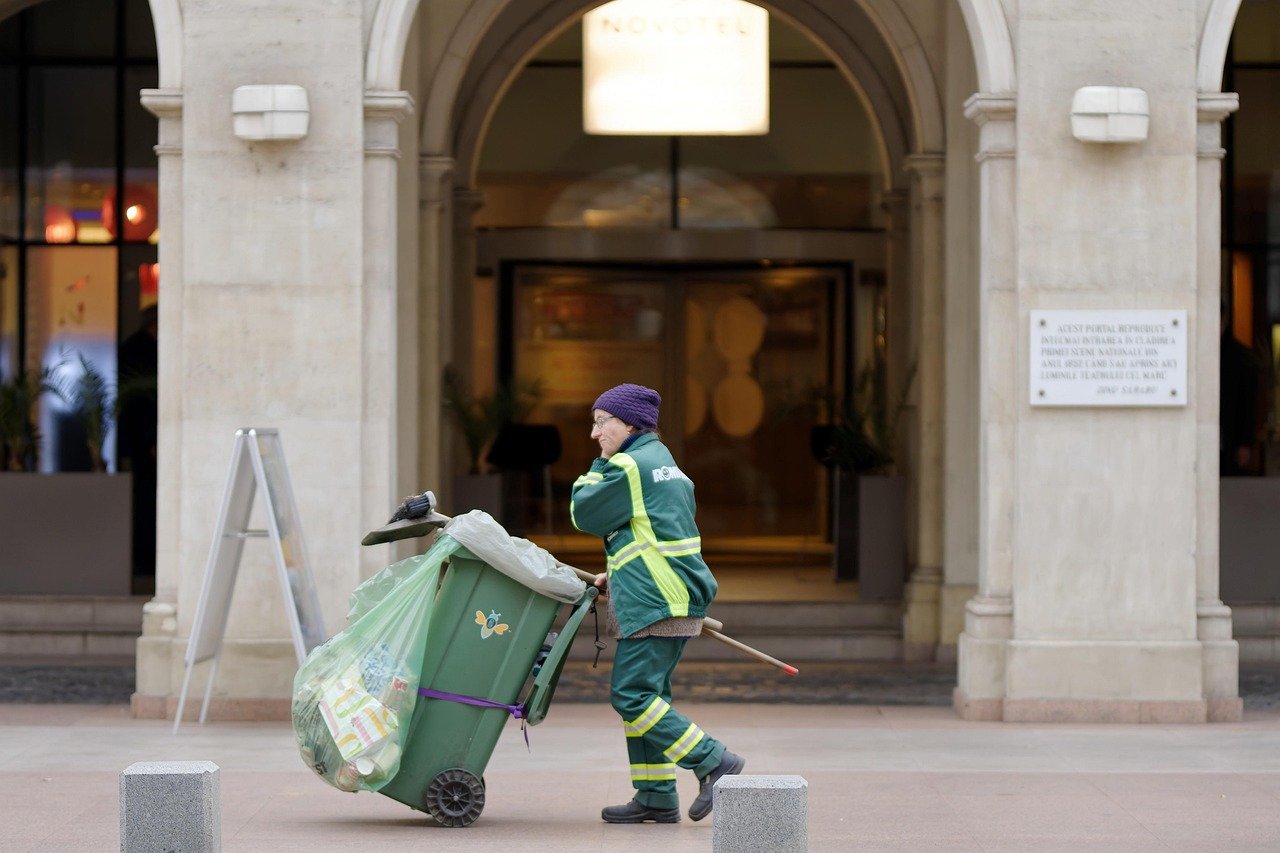
Making recycling part of your routine is one of the easiest ways to reduce waste and protect the environment. While curbside recycling programs are convenient, they may not accept every recyclable item. That’s why many people search for recycling drop off locations where they can recycle a wider variety of materials. Whether you’re disposing of paper, plastic, glass, or specialty items, understanding how recycling drop off locations work can help you recycle more effectively and responsibly.
Why Recycling Drop-Off Locations Are Important
Recycling centers play a significant role in reducing the amount of waste sent to landfills. They collect valuable materials that can be processed and transformed into new products, conserving natural resources and reducing environmental impact.
Some of the key benefits include:
- Diverting waste from landfills
- Conserving natural resources
- Reducing energy consumption
- Supporting sustainable manufacturing
- Encouraging responsible waste disposal
Using recycling drop-off facilities helps communities recover materials that might otherwise become waste.
What Are Recycling Drop-Off Locations?
Recycling drop off locations are designated collection sites where residents can bring recyclable materials that may not be accepted through standard household recycling programs. These facilities are designed to sort, process, and prepare recyclable materials for manufacturing.
Many drop-off centers accept both common household recyclables and specialty materials that require separate handling.
Materials Commonly Accepted
Before visiting a recycling facility, it’s helpful to understand which materials are generally accepted.
Paper and Cardboard
Paper products remain among the most recyclable materials.
Examples include:
- Newspapers
- Office paper
- Magazines
- Cardboard boxes
- Paper packaging
Ensure paper is clean and dry before recycling.
Plastic Containers
Many facilities accept common household plastics, including:
- Water bottles
- Beverage containers
- Food packaging
- Laundry detergent bottles
- Household cleaner containers
Containers should be emptied and rinsed before drop-off.
Glass
Glass is highly recyclable because it can be processed repeatedly without losing quality.
Typical recyclable glass includes:
- Beverage bottles
- Food jars
- Clear glass containers
Some facilities may request that glass be sorted by color.
Metal Products
Recycling metal conserves valuable natural resources and reduces manufacturing energy.
Common recyclable metals include:
- Aluminum cans
- Steel food cans
- Empty aerosol cans
- Clean aluminum foil
Specialty Items Often Accepted
Some recycling drop off locations collect materials beyond standard household recyclables.
Electronic Waste
Many facilities accept electronic devices for proper recycling.
Examples include:
- Computers
- Laptops
- Printers
- Keyboards
- Small electronic equipment
These items contain valuable materials that can often be recovered.
Batteries
Batteries should never be placed in regular household waste because they may contain hazardous materials.
Many recycling centers provide dedicated collection containers for household batteries.
Textiles
Certain recycling facilities accept:
- Clothing
- Shoes
- Blankets
- Towels
- Fabric scraps
Textile recycling helps reduce landfill waste while encouraging material recovery.
How to Prepare Recyclables
Preparing materials properly improves recycling efficiency and reduces contamination.
Clean Containers
Remove food residue and liquids from bottles, cans, and jars before recycling.
Flatten Cardboard
Flattening boxes saves space during transportation and storage.
Separate Materials
Organize recyclables by category whenever possible.
For example:
- Paper
- Plastic
- Glass
- Metal
- Electronics
Proper sorting speeds up processing at recycling facilities.
Common Items That Should Not Be Recycled
Although many materials are recyclable, certain items require special disposal.
These often include:
- Food waste
- Medical waste
- Hazardous chemicals
- Paint
- Motor oil
- Plastic bags
- Disposable diapers
Keeping these items out of recycling containers helps prevent contamination.
Environmental Benefits of Recycling
Using recycling drop off locations creates lasting environmental benefits.
Conserves Natural Resources
Recovered materials reduce the demand for newly extracted raw materials.
Saves Energy
Manufacturing products from recycled materials generally requires less energy than producing products from virgin materials.
Reduces Greenhouse Gas Emissions
Recycling lowers emissions associated with mining, logging, and industrial production.
Supports a Circular Economy
Materials remain in use longer instead of becoming landfill waste.
Tips for a Successful Recycling Visit
Planning ahead makes recycling easier.
Organize Before You Leave
Sort materials into separate containers before loading your vehicle.
Secure Your Load
Use reusable bins or sturdy boxes to prevent spills during transportation.
Follow Posted Instructions
Each facility may have specific guidelines regarding accepted materials and unloading procedures.
Visit During Less Busy Times
Weekday mornings often provide a quicker and more convenient recycling experience.
Building Better Recycling Habits
Effective recycling starts at home.
Simple habits include:
Reduce Waste
Choose reusable products whenever possible.
Reuse Before Recycling
Donate or repair usable household items before deciding to recycle them.
Purchase Recyclable Products
Selecting recyclable packaging supports sustainable resource management.
Educate Family Members
Teaching proper recycling habits helps reduce contamination and improves participation.
Conclusion
Using recycling drop off locations is a practical way to recycle materials that may not fit into regular curbside collection programs. Proper preparation, careful sorting, and responsible disposal help ensure recyclable materials are successfully recovered and reused. By making regular visits to recycling drop off locations, individuals can reduce landfill waste, conserve natural resources, and contribute to a cleaner, more sustainable future for everyone.