Sustainable architecture is transforming the way buildings are designed and constructed. As the demand for energy-efficient structures continues to rise, Building integrated solar panels have become an innovative solution that combines renewable energy generation with modern building materials. Unlike conventional solar systems that are installed after construction, these panels are incorporated directly into the building envelope, allowing structures to generate electricity while maintaining a seamless architectural appearance.
By serving as both construction materials and energy-producing components, Building integrated solar panels help reduce energy consumption, improve building efficiency, and support environmentally responsible construction. Their ability to merge functionality with design makes them an increasingly popular choice for residential, commercial, and institutional developments.
What Are Building Integrated Solar Panels?
Building integrated solar panels are photovoltaic components designed to replace traditional building materials such as roofing, façade cladding, skylights, and glazing. Instead of attaching solar panels to an existing structure, these systems become part of the building itself.
The integration provides two essential functions:
Structural Support
The panels perform the same role as conventional building materials by protecting the structure from weather and environmental conditions.
Renewable Energy Production
At the same time, Building integrated solar panels capture sunlight and convert it into electricity, helping power the building throughout the day.
This dual-purpose design maximizes the value of every installed surface while creating visually appealing buildings.
Benefits of Building Integrated Solar Panels
The increasing adoption of integrated photovoltaic technology is driven by the many advantages it offers.
Improved Energy Efficiency
One of the primary benefits of Building integrated solar panels is their ability to generate clean electricity directly from sunlight. This reduces dependence on traditional energy sources and supports long-term energy efficiency.
Seamless Architectural Design
Unlike conventional rooftop systems, integrated solar panels blend naturally with the building’s design. Architects can create clean, modern exteriors without compromising visual appeal.
Better Space Utilization
Since the panels replace existing construction materials, there is no need for additional installation space. Roofs, façades, and glazing systems become productive energy-generating surfaces.
Enhanced Sustainability
Buildings equipped with Building integrated solar panels contribute to reducing greenhouse gas emissions while promoting environmentally responsible construction practices.
Common Applications
Integrated photovoltaic systems are highly versatile and can be incorporated into different parts of a building.
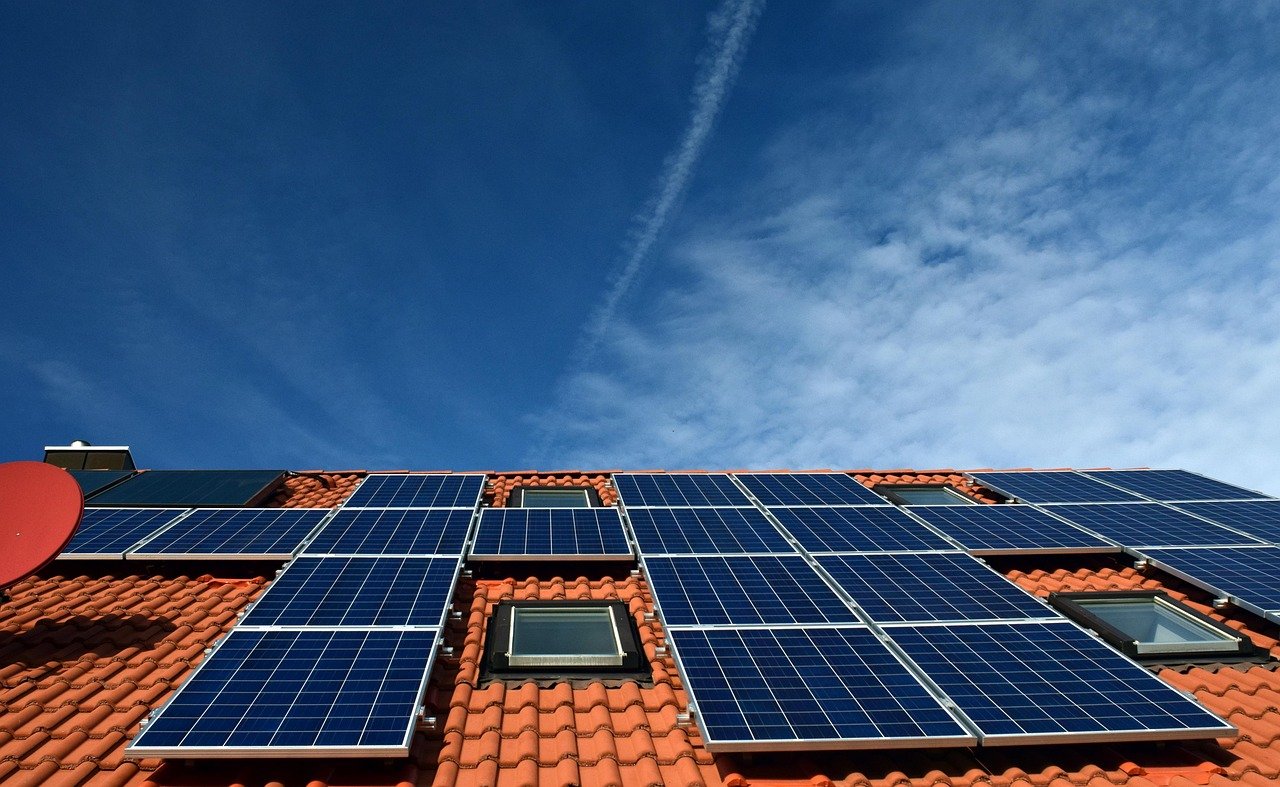
Roofing Systems
Roofs receive abundant sunlight, making them one of the most efficient locations for integrated solar technology.
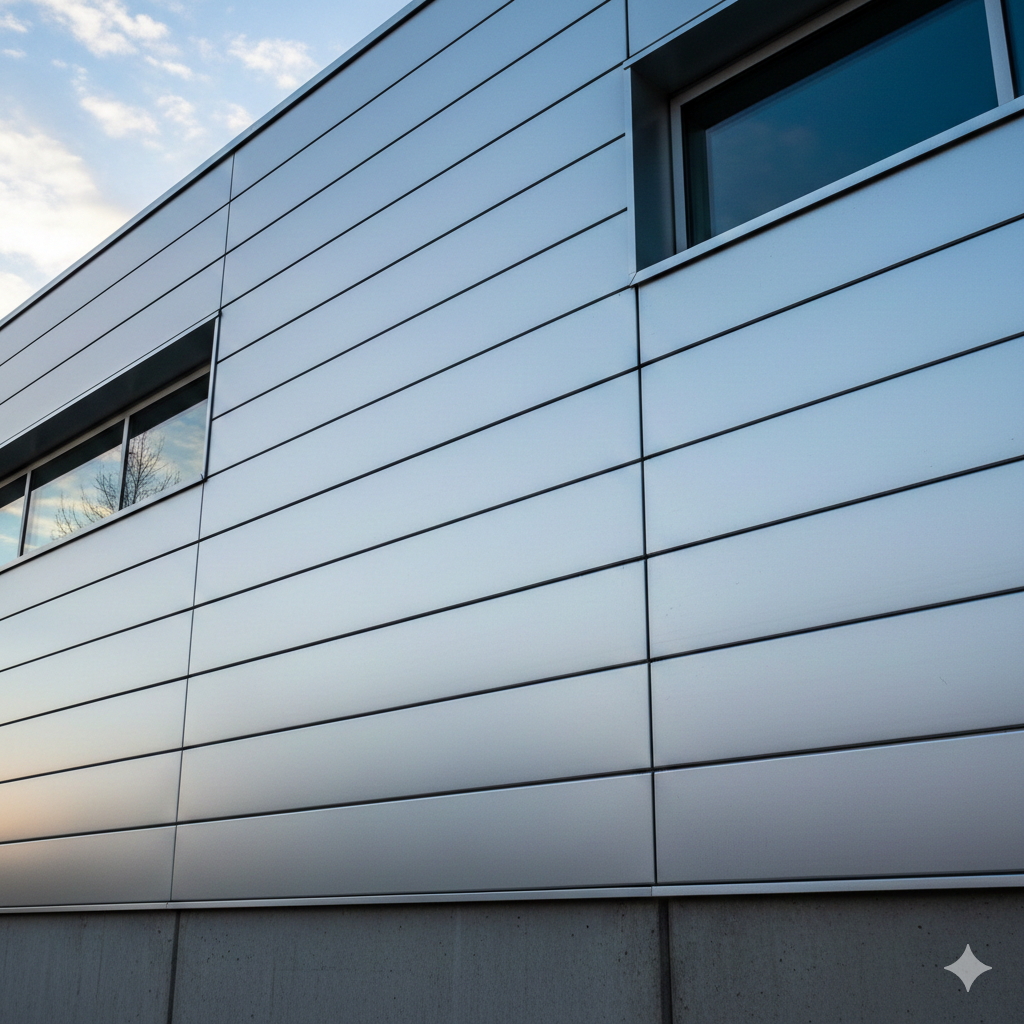
Building Facades
Vertical façades fitted with photovoltaic panels generate electricity while enhancing the building’s exterior appearance.
Skylights
Photovoltaic skylights allow natural daylight to enter interior spaces while simultaneously producing renewable energy.
Curtain Walls
Commercial buildings frequently integrate photovoltaic glass into curtain wall systems to combine modern architecture with sustainable energy production.
Canopies and Walkways
Outdoor structures can provide shelter and shade while generating clean electricity throughout the day using Building integrated solar panels.
Important Design Considerations
Successful implementation requires careful planning during the building design process.
Building Orientation
Positioning the building for maximum sunlight exposure improves electricity generation throughout the year.
Climate Conditions
Local weather patterns, shading, and seasonal sunlight influence the overall performance of integrated photovoltaic systems.
Structural Integration
Architects and engineers must ensure that Building integrated solar panels are properly incorporated into the building envelope while maintaining structural integrity.
Maintenance Planning
Routine inspections and cleaning help maintain optimal performance and extend the lifespan of integrated solar systems.
Environmental Advantages
Modern buildings account for a large percentage of global energy use. Building integrated solar panels help reduce environmental impact by generating renewable electricity directly from the building envelope.
Key environmental benefits include:
- Reduced carbon emissions
- Lower dependence on fossil fuels
- Improved building energy performance
- Greater use of renewable energy
- Support for sustainable urban development
These benefits contribute to greener cities and more environmentally conscious construction practices.
Future Trends in Building Integrated Solar Panels
Continuous advancements in photovoltaic technology are improving the efficiency, durability, and design flexibility of integrated solar systems. New materials allow for lighter panels, improved transparency for glass applications, and greater architectural customization.
As governments, developers, and designers continue to prioritize sustainable construction, Building integrated solar panels are expected to become a standard feature in future buildings. Their ability to combine renewable energy generation with architectural functionality positions them as a key component of next-generation building design.
Why Building Integrated Solar Panels Are Becoming More Popular
The shift toward energy-efficient buildings has increased interest in solutions that deliver multiple benefits without sacrificing design quality. Building integrated solar panels offer an effective combination of structural performance, clean energy production, and architectural flexibility.
By replacing conventional building materials with energy-generating components, these systems help create buildings that are both visually attractive and environmentally responsible.
Conclusion
The future of architecture lies in creating buildings that are efficient, sustainable, and capable of generating their own clean energy. Building integrated solar panels represent an important advancement by combining construction materials with renewable energy technology in a single integrated solution.
Whether installed on roofs, façades, skylights, or curtain walls, Building integrated solar panels improve energy efficiency, optimize building space, and support long-term sustainability. As technology continues to evolve and demand for green buildings grows, integrated solar panels will play a vital role in shaping the next generation of modern, energy-efficient architecture.