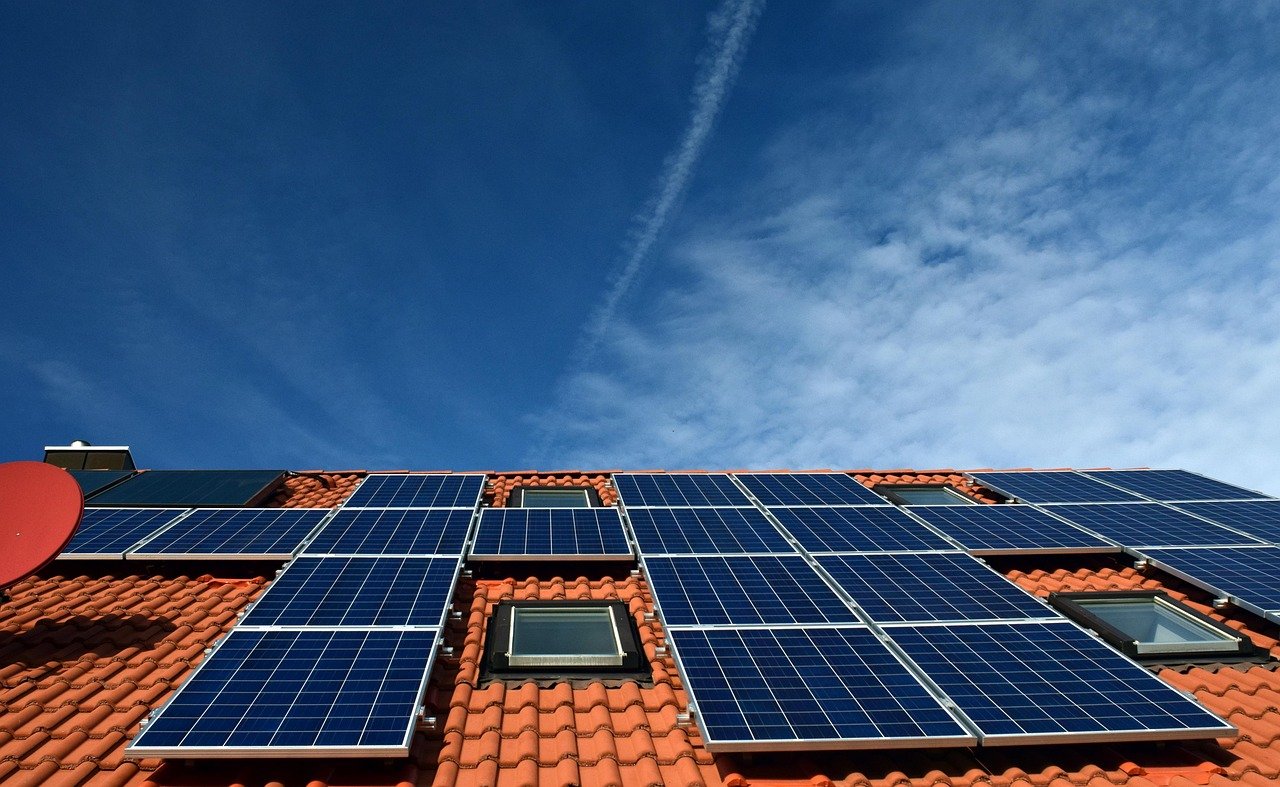
Photovoltaic Cladding: A Smart Choice for Energy-Efficient Buildings
Photovoltaic cladding is reshaping modern building design by turning exterior walls into renewable energy generators. Rather than using traditional cladding materials alone, architects can integrate photovoltaic technology into the building envelope, allowing walls to protect the structure while producing electricity.
This dual-purpose solution supports sustainable construction, enhances building performance, and contributes to long-term energy efficiency.
What Is Photovoltaic Cladding?
Photovoltaic claddings are exterior wall system that incorporates solar cells within cladding panels. These panels perform the same protective functions as conventional exterior materials while capturing sunlight to generate electricity.
Because photovoltaic cladding becomes part of the building envelope, it provides weather protection, insulation support, and renewable energy generation simultaneously.
How It Functions
Solar cells embedded within the cladding absorb sunlight and convert it into electrical energy. This electricity can be used to support lighting, ventilation, and other building operations.
The integration eliminates the need for separate wall-mounted solar equipment while maintaining a clean architectural appearance.
Key Benefits of Photovoltaic Cladding
Renewable Power Production
Photovoltaic cladding enables vertical building surfaces to contribute to clean energy generation, expanding the available area for solar technology beyond rooftops.
Architectural Appeal
Modern buildings often feature large exterior wall systems. Photovoltaic cladding provides a sleek, contemporary appearance while supporting sustainability goals.
Efficient Space Utilization
Exterior walls become productive energy-generating assets without requiring additional land or rooftop installations.
Long-Term Building Performance
Since photovoltaic cladding replaces conventional wall materials, it contributes to both structural performance and renewable energy production throughout the building’s lifespan.
Where Photovoltaic Cladding Is Used
Office Buildings
Commercial developments with expansive facades benefit greatly from photovoltaic cladding because vertical wall surfaces receive significant sunlight during the day.
Educational Facilities
Schools and universities increasingly incorporate photovoltaic cladding into sustainable campus construction to reduce environmental impact.
Healthcare Buildings
Hospitals and medical facilities seeking energy-efficient infrastructure can integrate photovoltaic cladding within their exterior building systems.
Residential Developments
Modern residential projects also use photovoltaic cladding to improve energy efficiency while creating distinctive architectural designs.
Important Design Considerations
Solar Exposure
Wall orientation influences electricity production. South-facing facades generally provide greater energy generation in many climates.
Material Compatibility
Photovoltaic cladding should complement structural systems, insulation, ventilation, and moisture management requirements.
Building Appearance
Photovoltaic cladding is available in various finishes, colors, and panel sizes, allowing architects to achieve different design objectives.
Environmental Impact
Photovoltaic cladding supports sustainable development by producing renewable electricity while reducing greenhouse gas emissions. It also encourages efficient use of building surfaces and contributes to environmentally responsible construction practices.
These systems help buildings move toward lower carbon footprints without compromising functionality or appearance.
The Future of Photovoltaic Cladding
Innovation continues to improve photovoltaic cladding technology through lighter materials, improved energy conversion, and greater architectural flexibility.
As sustainable construction standards evolve, photovoltaic cladding is expected to become an increasingly common feature in both new developments and building renovations.
Conclusion
Photovoltaic cladding offers an innovative way to combine exterior building protection with renewable energy generation. By transforming building facades into productive energy systems, photovoltaic cladding supports sustainable architecture, efficient resource use, and modern design. Its ability to deliver multiple benefits makes it a valuable solution for future-focused construction.