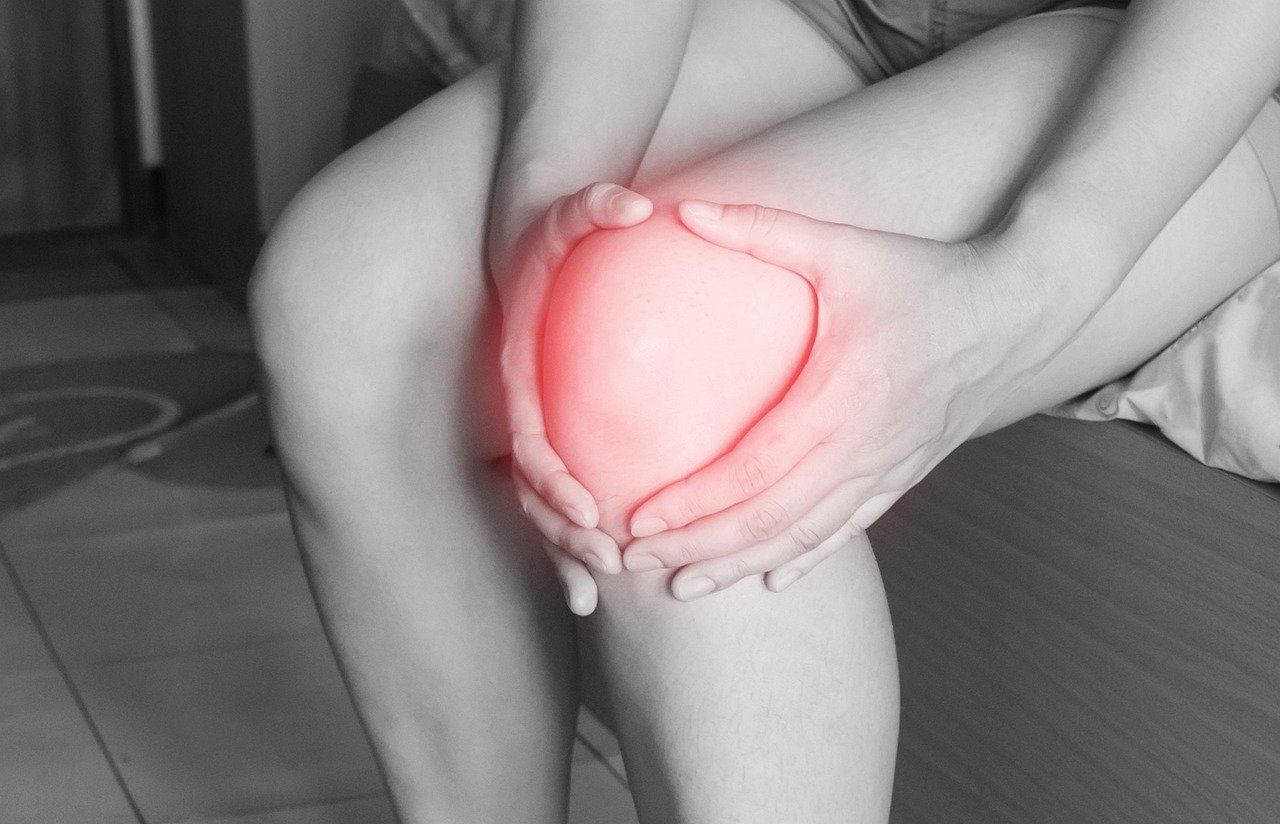
For individuals living with persistent knee pain, finding timely orthopedic care is often a priority. Many people explore private knee surgery Ontario as an option when conservative treatments no longer provide adequate relief. Whether knee problems result from arthritis, sports injuries, or long-term joint degeneration, understanding the treatment process helps patients make informed healthcare decisions.
Choosing private knee surgery Ontario involves more than scheduling a procedure. It requires understanding available surgical options, preparation, recovery expectations, and long-term rehabilitation. With proper planning and professional guidance, many individuals achieve meaningful improvements in mobility and quality of life.
This guide explains everything you should know about private knee surgery Ontario before beginning your treatment journey.
What Is Private Knee Surgery Ontario?
Private knee surgery Ontario refers to orthopedic procedures performed through private healthcare pathways to diagnose, repair, or replace damaged knee structures.
Depending on the patient’s condition, private knee surgery Ontario may involve minimally invasive procedures or more advanced reconstructive surgery designed to restore knee function and reduce pain.
Who May Benefit from Private Knee Surgery Ontario?
Several knee conditions may eventually require surgical treatment.
Osteoarthritis
Progressive cartilage damage commonly leads individuals to consider private knee surgery Ontario when pain becomes severe.
Sports Injuries
Ligament tears, cartilage injuries, and meniscus damage often require specialized orthopedic evaluation.
Chronic Knee Pain
Persistent discomfort that limits daily activities may indicate the need for surgical consultation.
Knee Instability
Repeated episodes of the knee giving way may benefit from expert assessment and appropriate surgical treatment.
Common Procedures
The type of surgery depends on the underlying diagnosis.
Arthroscopic Knee Surgery
Minimally invasive procedures can repair certain cartilage and ligament injuries.
Meniscus Repair
Damaged cartilage may be repaired or partially removed depending on the injury.
Ligament Reconstruction
Reconstruction restores knee stability following significant ligament damage.
Knee Replacement
Advanced joint degeneration may require partial or total joint replacement.
Each treatment plan is tailored to the individual’s condition and lifestyle goals.
Preparing for Private Knee Surgery Ontario
Preparation plays an important role in recovery success.
Medical Evaluation
Healthcare professionals review medical history, physical health, and imaging results before surgery.
Strengthening Exercises
Improving muscle strength before surgery may enhance rehabilitation outcomes.
Home Planning
Preparing living spaces for easier movement after surgery supports a safer recovery.
Patients should also understand rehabilitation expectations before undergoing private knee surgery Ontario.
Recovery After Surgery
Healing continues for several months following surgery.
Early Rehabilitation
Gentle movement usually begins soon after the procedure.
Physical Therapy
Structured rehabilitation helps restore flexibility, balance, and muscle strength.
Pain Management
Appropriate pain control encourages safe movement throughout recovery.
Returning to Daily Activities
Recovery timelines vary depending on the procedure performed and individual health factors.
Consistent participation in rehabilitation significantly improves long-term outcomes.
Benefits of Private Knee Surgery Ontario
Many individuals experience meaningful improvements following treatment.
Potential benefits include:
- Reduced knee pain
- Improved mobility
- Better joint stability
- Increased independence
- Enhanced participation in daily activities
- Improved quality of life
Successful private knee surgery Ontario often allows patients to return to activities they previously found difficult because of knee pain.
Maintaining Healthy Knees After Surgery
Recovery extends beyond the initial healing period.
Helpful habits include:
Stay Active
Low-impact exercise supports joint flexibility.
Maintain a Healthy Weight
Reducing stress on the knee helps preserve long-term function.
Continue Rehabilitation
Regular strengthening exercises improve stability and mobility.
Attend Follow-Up Appointments
Routine evaluations help monitor progress and address any concerns promptly.
Frequently Asked Questions
Is surgery always necessary?
No. Many knee conditions improve with conservative treatment before surgery becomes appropriate.
How long is recovery?
Recovery varies according to the procedure performed and the individual’s health.
Is physical therapy important?
Yes. Rehabilitation is one of the most important components of successful recovery.
Can I return to normal activities?
Many patients gradually resume everyday routines after completing rehabilitation and receiving medical clearance.
Conclusion
Persistent knee pain can interfere with work, recreation, and everyday activities. When non-surgical treatments are no longer effective, private knee surgery Ontario may provide an opportunity to restore mobility and improve overall quality of life.
By understanding available procedures, preparing thoroughly, and committing to rehabilitation, patients can approach private knee surgery Ontario with confidence. Informed decision-making, realistic expectations, and consistent recovery efforts all contribute to successful long-term outcomes.