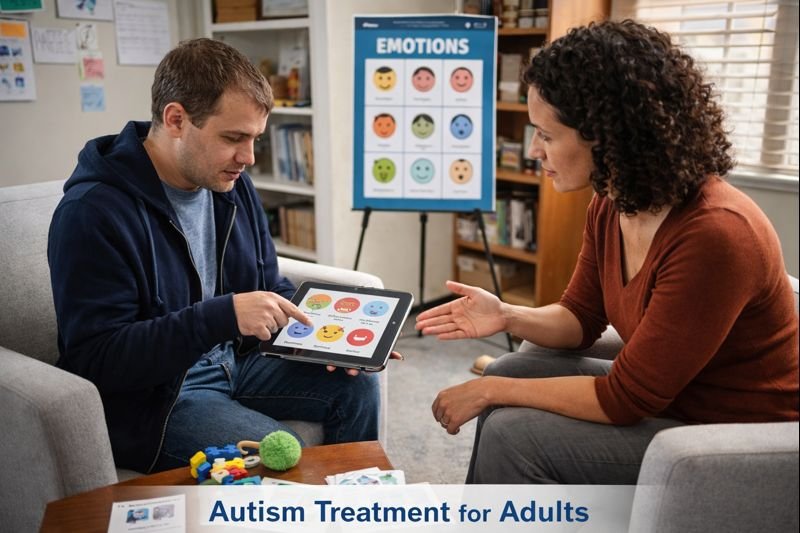
Autism is a lifelong condition, and support does not stop after childhood. As responsibilities grow, many adults look for practical ways to strengthen communication, manage daily routines, and achieve personal goals. Autism help adults focuses on building skills that encourage independence while recognizing the unique strengths of every individual.
Whether someone is entering the workforce, pursuing higher education, living independently, or expanding their social connections, the right guidance can make everyday challenges easier to navigate. With personalized support and consistent practice, autistic adults can continue developing confidence and creating fulfilling lives.
Understanding the Needs of Autistic Adults
Every autistic adult experiences life differently. Some may require assistance with organization and communication, while others seek support for employment or independent living. Because there is no universal approach, successful autism help adults emphasizes personalized strategies that match individual goals.
Support should encourage growth while respecting personal preferences, communication styles, and sensory needs. When assistance is tailored to the individual, long-term progress becomes more achievable.
Key Areas Where Support Can Help
Adults often benefit from guidance in several important aspects of daily life, including:
- Communication skills
- Independent living
- Employment preparation
- Emotional well-being
- Time management
- Community participation
These areas work together to create a balanced and rewarding lifestyle.
Building Independence Through Daily Habits
Developing routines is one of the most effective ways to increase confidence and reduce stress.
Managing Daily Responsibilities
Simple routines for cooking, cleaning, grocery shopping, and organizing personal spaces help adults become more self-reliant.
Planning and Organization
Using calendars, digital reminders, and daily checklists makes it easier to manage appointments, deadlines, and personal goals.
Financial Awareness
Learning to budget, save money, and track expenses contributes to long-term independence.
Many autism help adults resources prioritize these practical skills because they improve overall quality of life.
Improving Communication Skills
Communication is essential for relationships, education, and employment. While every autistic adult communicates differently, developing effective strategies can improve confidence in many situations.
Everyday Conversations
Practicing active listening, asking questions, and expressing thoughts clearly can make social interactions feel more comfortable.
Workplace Communication
Professional environments often require teamwork, problem-solving, and clear communication. Practicing these skills helps adults succeed in a variety of careers.
Building Relationships
Joining hobby groups, community activities, or volunteer programs creates opportunities to meet people with similar interests.
These experiences make autism help adults more meaningful by encouraging real-world practice.
Supporting Emotional Well-Being
Good mental health plays an important role in everyday success.
Managing Stress
Creating predictable routines and allowing time for relaxation can reduce anxiety during busy or unfamiliar situations.
Recognizing Personal Strengths
Focusing on abilities rather than limitations encourages self-confidence and a more positive outlook.
Developing Healthy Habits
Regular exercise, balanced nutrition, and sufficient sleep support both physical and emotional health.
Many approaches to autism help adults include wellness strategies because healthy routines improve overall functioning.
Preparing for Employment
Finding meaningful work is an important milestone for many adults.
Career Planning
Identifying personal strengths and interests helps individuals choose career paths that match their abilities.
Resume Development
Creating a clear, organized resume highlights valuable skills and experiences.
Interview Practice
Preparing for interviews through role-playing and common questions helps reduce anxiety and improve confidence.
Employment-focused autism help adults also encourage workplace organization, time management, and professional communication.
Encouraging Lifelong Learning
Learning continues throughout adulthood, and developing new skills creates additional opportunities.
Educational Opportunities
Continuing education allows adults to improve knowledge, gain certifications, or explore new interests.
Practical Skill Development
Learning technology, creative hobbies, or vocational skills can increase independence and employment opportunities.
Continuous learning keeps autism help adults relevant as personal goals evolve over time.
The Importance of Community Support
Supportive relationships strengthen personal growth and encourage long-term success.
Helpful approaches include:
- Encouraging self-advocacy
- Respecting individual communication styles
- Promoting independent decision-making
- Celebrating personal achievements
- Creating consistent routines
Family members, friends, and community groups all contribute to a positive support network.
Setting Achievable Goals
Breaking larger ambitions into smaller milestones helps maintain motivation and measure progress.
Examples include:
- Learning one new household skill each month
- Improving workplace communication
- Expanding social connections
- Managing personal finances independently
- Participating in community activities
Personalized goal setting makes autism help adults more effective because progress is based on individual aspirations rather than comparison with others.
Conclusion
Adulthood offers countless opportunities for learning, growth, and independence. With the right guidance, autistic adults can strengthen practical life skills, improve communication, build meaningful relationships, and pursue rewarding careers. Autism help adults provides valuable support that encourages confidence while respecting each individual’s unique strengths.
By focusing on personalized strategies, consistent routines, and lifelong skill development, autism help adults empowers individuals to achieve their goals and enjoy fulfilling, independent lives. Every step forward, no matter how small, contributes to greater confidence, resilience, and long-term success.